
Land Survey Before Splitting an Inherited Lot
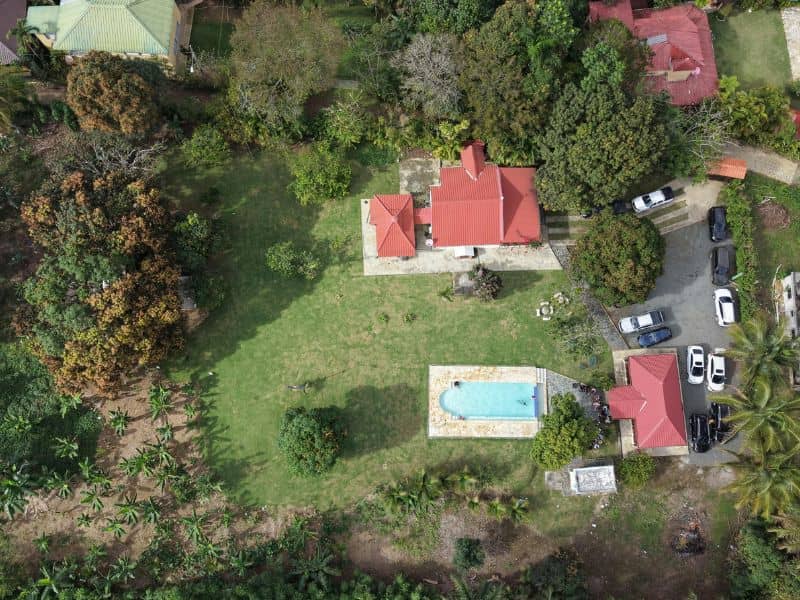
Inheriting land with siblings or other relatives often leads to one big decision. Some heirs want to keep their share, others want to sell, and a few may want to build. Splitting the lot can give everyone a clear piece, but only if the new lines are drawn on solid facts. Land surveying gives families that foundation before they sign papers, file plans, or list anything for sale.
Confirming the Inherited Property’s Existing Boundaries
The first step is a boundary survey of the whole property as it stands today. A boundary survey locates the property lines and corner markers based on deeds, plats, and field evidence. It shows how much land you actually have before anyone starts dividing it. Family memory about “where the line is” is often off by more than people expect.
Inherited land tends to come with older records. The deed may use an outdated description, reference landmarks that are long gone, or list an acreage that doesn’t match the ground. The surveyor researches those records and looks for existing monuments, such as iron rods or concrete markers. The finished survey shows the real shape and size of the property.
The survey can also turn up problems that need attention before a split. A neighbor’s fence may cross the line, or an old shed may sit on the wrong side. Finding these issues now gives the family time to deal with them calmly. A real estate attorney can help with any title or ownership questions the survey raises.
Reviewing Easements and Access Before Dividing the Lot
An easement is a recorded right that lets someone use part of the property for a set purpose. Common examples include utility lines, drainage paths, and shared driveways. Easements stay with the land after it’s divided, so they can affect how useful each new parcel will be.
Ask the surveyor to show recorded easements on the survey. Many surveyors work from a title commitment, which lists recorded items tied to the property. Seeing those easements on a drawing makes it easier to spot trouble, such as a utility line running right through a planned homesite.
Access deserves just as much attention. Every new parcel will need a legal way to reach a public road. A back lot with no frontage may need a recorded access easement across another heir’s parcel. Work this out before the split, because fixing it later usually requires agreement from whoever owns the land in between.
Determining How the Proposed Lot Split Will Work
A lot split divides one parcel into two or more separate parcels, each with its own legal description. How that happens depends on local rules. Some places allow a simple division, while others require a replat or subdivision plat reviewed by the city or county. These rules vary by municipality, county, zoning district, and property type.
Before drawing any lines, check with your local planning office. Ask about minimum lot size, required road frontage, setbacks, and whether utilities must reach each new lot. Those rules shape what’s possible. A split that looks fair on paper may not meet the minimums once real measurements come in.
The family also needs to agree on the goal. An equal split by acreage may not be equal in value if one parcel has road frontage and the other sits in a low area. Talk through how each heir plans to use or sell their share. Your surveyor can sketch options so everyone sees the trade-offs before anything is final.
Floodplain and Drainage Checks
Low areas, creeks, and drainage paths can limit where you can build. A topographic survey shows the slope of the land and where water moves. Flood zone information can also matter, since it may affect building plans and insurance. Check these early so no heir ends up with a parcel that’s hard to use.
Surveying New Parcel Lines and Corner Locations
Once the plan is set, the surveyor marks the new parcel lines in the field. This includes setting monuments at each new corner, usually iron rods with caps that identify the surveyor. These markers make the new boundaries visible and easy to find later. They also give future owners, builders, and neighbors a clear reference.
The surveyor prepares a drawing and legal description for each new parcel. If local rules require a plat, the surveyor prepares that document for review and approval. The approval process can take weeks or longer, depending on the agency and any revisions requested. Plan your timeline with that in mind.
Walk the property with the surveyor if you can. Seeing the new corners in person helps each heir understand what they’re getting. It also gives you a chance to ask questions while the crew is still on site.
Preparing the Property for Separate Ownership or Development
After the split is approved and recorded, each parcel can move toward separate ownership. That usually means new deeds prepared by an attorney or title company. Each heir then holds a parcel with its own description, boundaries, and tax account.
Plans for each parcel may call for more survey work:
- A topographic survey for site planning, grading, and drainage design.
- An elevation certificate if a parcel sits near a flood zone and insurance requires one.
- Construction staking to mark building corners, driveways, and utilities.
- An updated survey for a buyer, lender, or title company during a sale.
Survey needs can vary by lender, title company, municipality, and project scope. If a closing, permit, or build date depends on the survey, confirm the details early. Older inherited properties often need extra research time.
Frequently Asked Questions
Do we need a survey before we can split an inherited lot?
In most cases, yes, because the split needs accurate lines and legal descriptions for each new parcel. The planning office, title company, or attorney handling the deeds will likely ask for survey work. Starting with a boundary survey of the whole property also prevents surprises. Exact requirements vary by location and situation.
Can heirs split the lot any way they want?
Heirs can propose a layout, but local rules decide what’s allowed. Minimum lot sizes, road frontage, and setbacks often limit the options. Easements and access needs can also shape the final lines. Check with your planning office before the family settles on a plan.
What if the old deed doesn’t match the land?
This is common with older properties. The surveyor compares the deed with plats, nearby surveys, and evidence found in the field. The survey will note any differences between the record and what’s on the ground. An attorney can advise on fixing title issues that come up.
How long does a lot split take?
The survey itself may take a few weeks, depending on records and scheduling. Plat review and approval, if required, can add weeks or months. Revisions requested by the reviewing agency can extend the timeline. Starting early is the best way to keep things moving.
Does an equal split by size mean equal value?
Not always, because location, frontage, slope, and flood risk all affect value. A parcel on the road may be worth more than a back parcel of the same size. A topographic survey and flood zone check can reveal those differences. Many families talk with an appraiser before settling on a final layout.